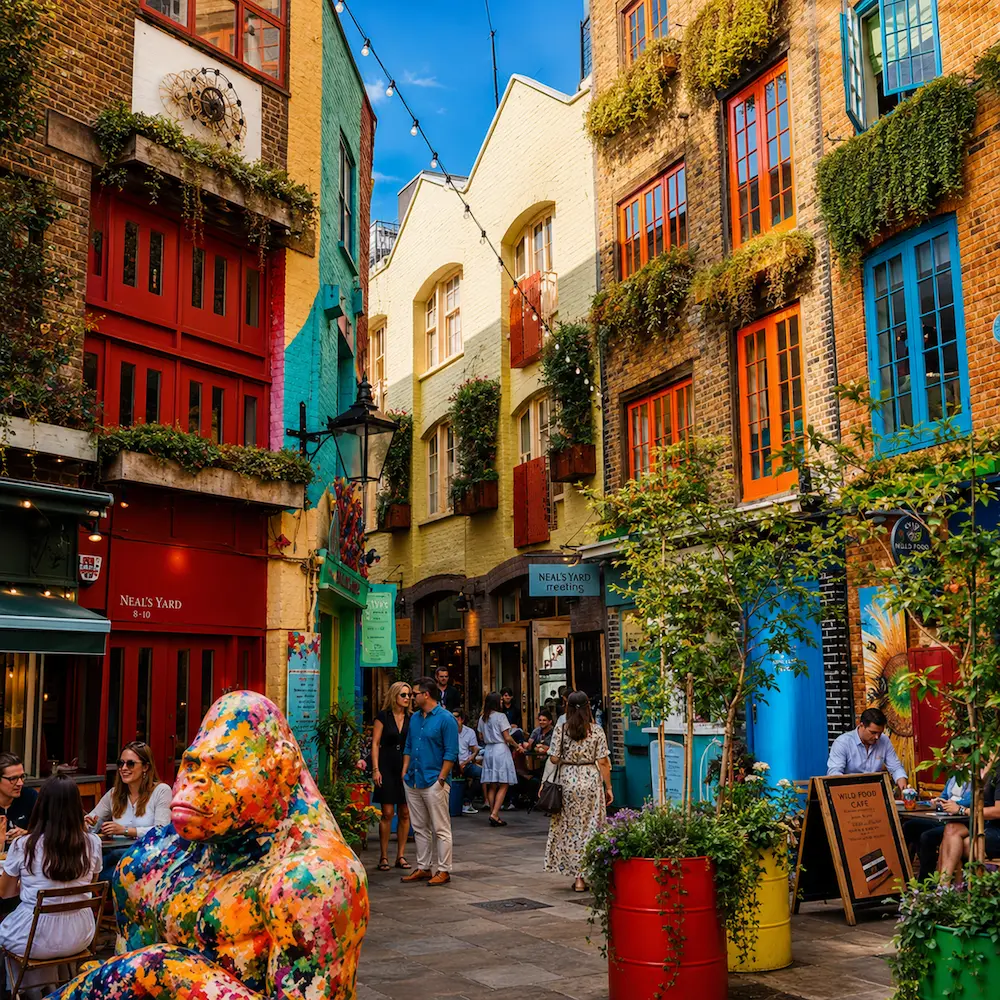
Market heritage, theatreland and places to visit in London
Covent Garden is the go-to guide for one of London's most celebrated districts. From West End theatres and the Royal Opera House to landmark restaurants, the Piazza markets and independent boutiques, we showcase the very best the neighbourhood has to offer.
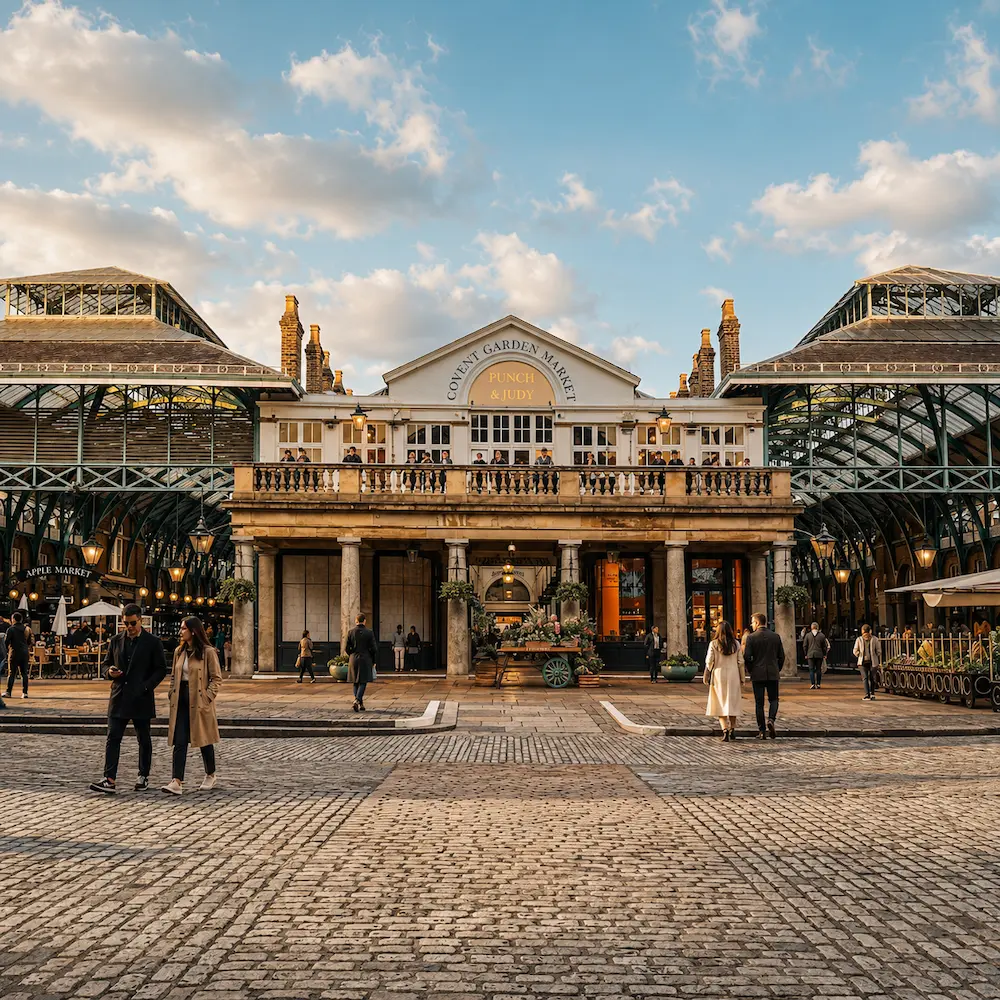
The Piazza was laid out in the 1630s to a design by Inigo Jones, the first formally planned square in London and the model for those that followed. St Paul’s Church, long associated with actors, still stands on its west side.
A fruit, vegetable and flower market grew here from the seventeenth century, and the central market building by Charles Fowler opened in 1830. The trade defined the area for generations before it outgrew the site.
When the wholesale market moved to Nine Elms in 1974, the Piazza buildings were saved and restored, reopening in 1980 as a place for shopping, dining and culture beside the West End theatres.
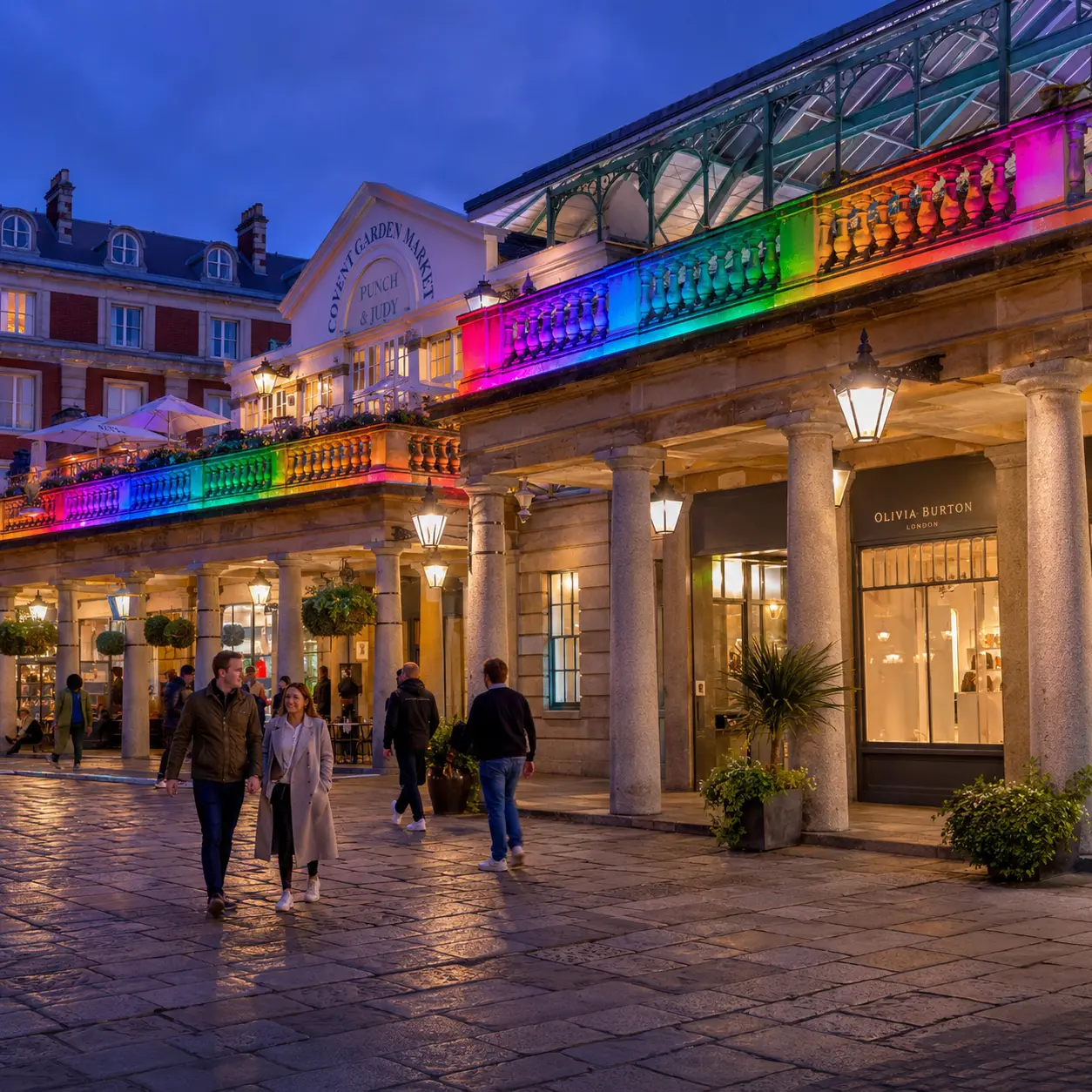
Covent Garden sits at the centre of the West End, with St Martin’s Lane and Leicester Square along its western edge and Drury Lane and Aldwych to the east. The map shows how close its landmarks stand to one another.
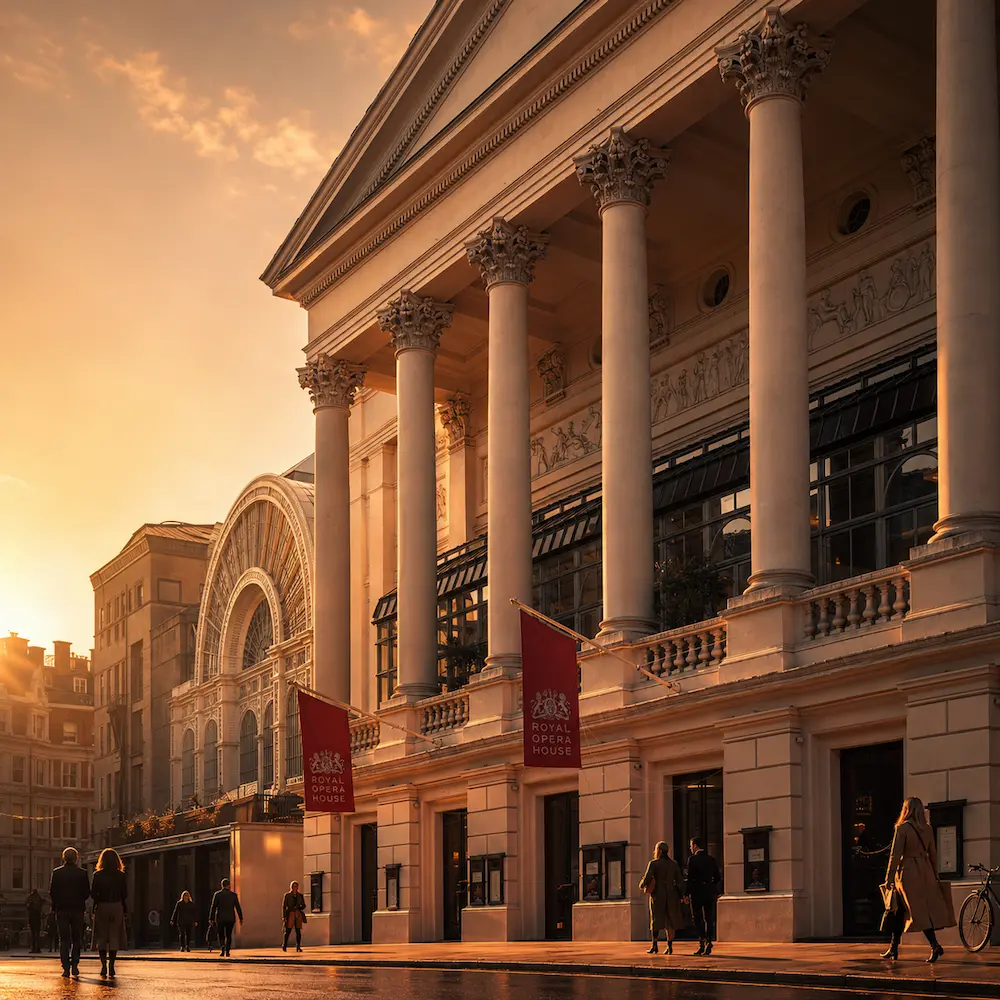
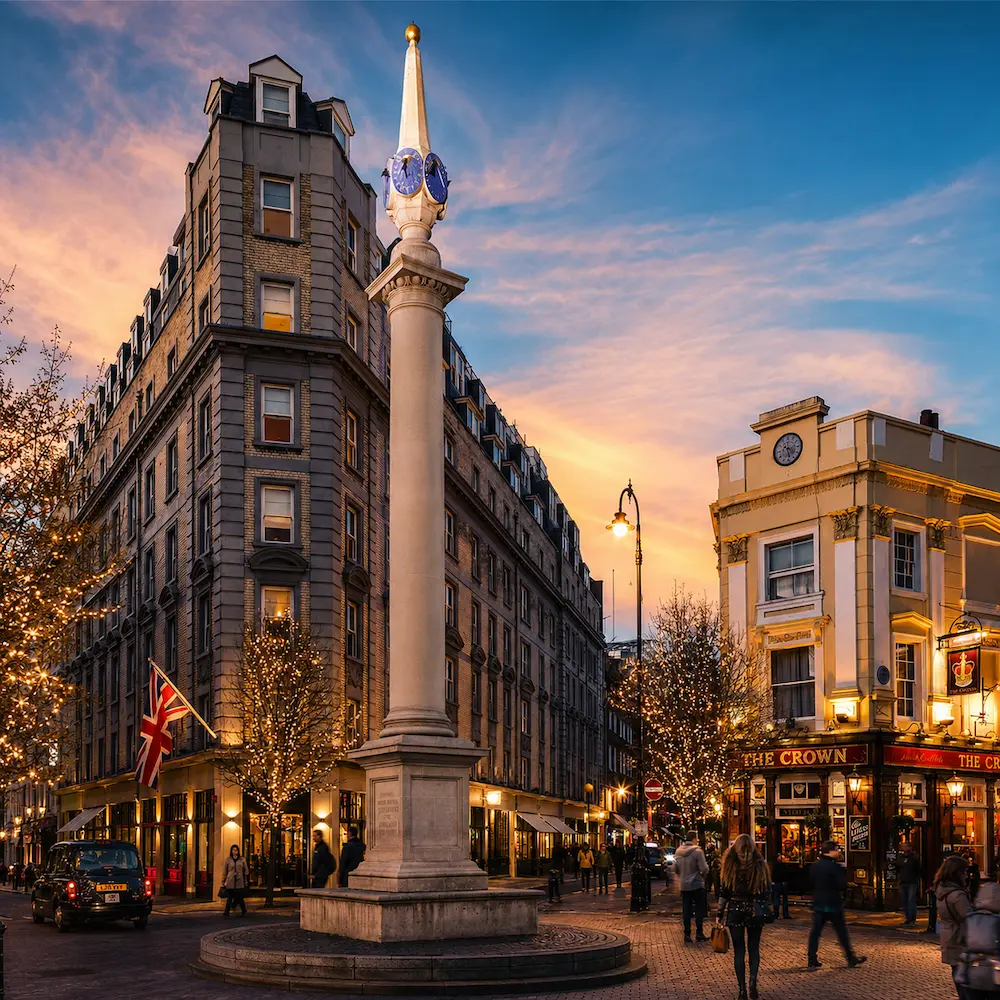
To the north-west, Seven Dials gathers its streets around the sundial pillar, with Neal’s Yard just south-east of it. Freemasons’ Hall stands to the north-east on Great Queen Street, above Long Acre, while the Royal Opera House sits on Bow Street, just above and right of the Piazza.
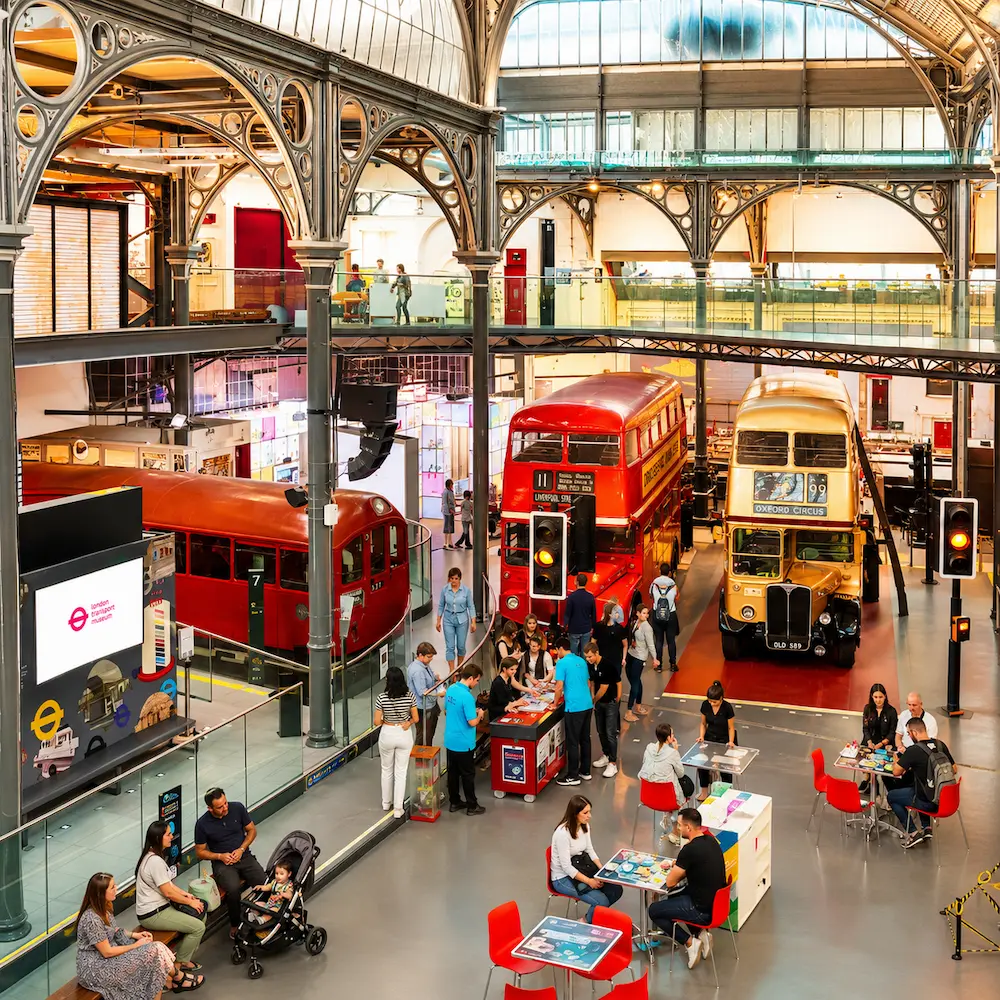
At the centre lie Covent Garden Piazza and the Apple Market, with the London Transport Museum on their south-east side and St Paul’s Church to the west. The theatres frame the quarter: Theatre Royal Drury Lane to the east, the Gillian Lynne Theatre to the north, the Lyceum towards the Strand, and Somerset House in the south-east corner by the river. The Agatha Christie Memorial marks the western approach towards Leicester Square.
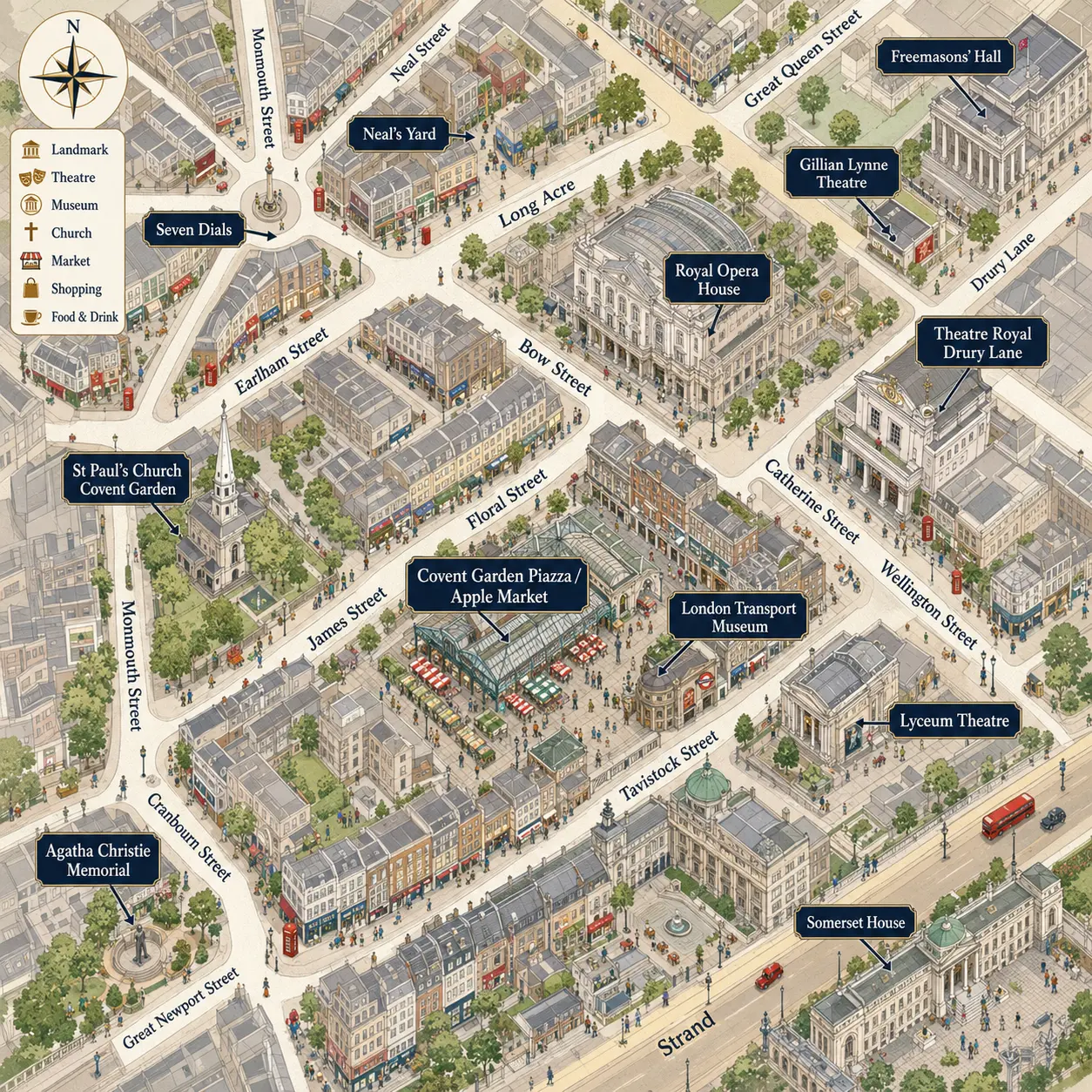
Today Covent Garden works as both a visitor destination and a working London neighbourhood. Restaurants, cafes and bars sit alongside luxury names and independent shops, hotels, beauty stores, salons, offices and cultural venues.
The theatres draw audiences through the evening, the Piazza keeps its licensed street performance, and the market halls carry daytime trade. It is busy without losing the scale and detail that make it worth walking.
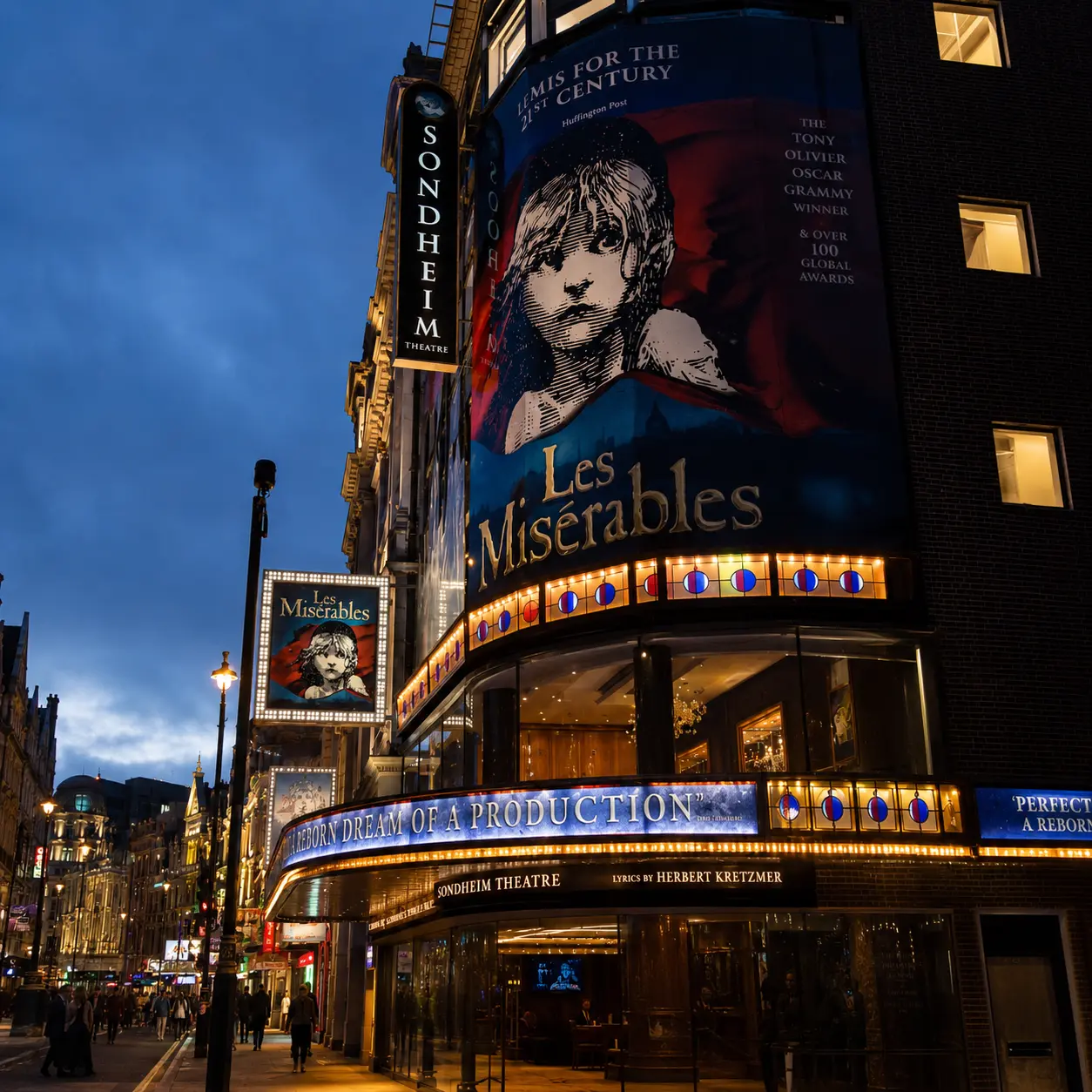
Covent Garden continues to adapt. Public-space improvements, changes in retail and hospitality, and attention to pedestrian movement all shape how the area is used through the day and evening.
The aim is measured rather than dramatic: to keep the district active and welcoming while protecting the market buildings, the squares and the street pattern that give it its character.
Restaurants, shops, hotels, theatres, cafes, salons and local services can join the Covent Garden directory and reach the area’s visitors and residents.